

The world of functional fungi extends far beyond culinary mushrooms and psilocybin. Among the most intriguing and culturally significant genera is Amanita, particularly two iconic species: Amanita muscaria (the Fly Agaric) and Amanita pantherina (the Panther Cap). While both have a long history of traditional use in shamanic and spiritual practices across Siberia and Northern Europe, modern interest has shifted heavily toward microdosing.
Microdosing involves consuming sub-perceptual doses of an entheogenic substance to enhance focus, emotional regulation, creativity, and overall well-being without inducing altered states of consciousness. However, substituting one species for the other in a microdosing regimen can lead to vastly different experiences. Understanding the biochemical, physiological, and experiential differences between Amanita muscaria and Amanita pantherina is essential for anyone exploring this practice safely.
Botanical and Biochemical Profile
To understand how these mushrooms affect the human body on a microscopic level, we must look at their active constituents. Unlike classic psychedelic mushrooms (Psilocybe species), which rely on psilocybin and psilocin to interact with serotonin receptors, Amanita species contain unique active compounds: ibotenic acid and muscimol.
-
Ibotenic Acid: A potent neurotoxin and glutamate receptor agonist found in fresh mushrooms. It acts as an excitatory neurotransmitter in the brain, often causing physical stimulation, mental confusion, agitation, or nausea if ingested in high quantities.
-
Muscimol: The primary psychoactive and calming compound. Muscimol is a potent GABA-A receptor agonist, meaning it promotes relaxation, anxiety relief, and sedation by inhibiting excessive neuronal activity.
When Amanita mushrooms are dried, heated, or properly prepared, a decarboxylation process occurs, converting the harsh ibotenic acid into the gentler, more beneficial muscimol.
Potency: The Crucial Distinction
The most critical difference between Amanita muscaria and Amanita pantherina lies in their potency.
-
Amanita muscaria: Generally considered milder. It contains lower concentrations of active alkaloids, making it more forgiving for beginners. A standard microdose typically ranges from 0.1 grams to 0.5 grams of dried cap material, depending on individual body chemistry and batch variability.
-
Amanita pantherina: Significantly stronger—often estimated to be 3 to 5 times more potent than Amanita muscaria. Panther Caps contain a much higher concentration of both ibotenic acid and muscimol. Consequently, a microdose for Amanita pantherina must be drastically smaller, typically starting around 0.05 grams to 0.15 grams.
Misjudging the potency of Amanita pantherina and treating it with the same dosage guidelines as Amanita muscaria can easily lead to accidental over-intoxication, characterized by heavy sedation, dizziness, muscle twitching, or vivid, dream-like delirium.

Amanita pantherina capsules 60 x 0.3 g
Premium quality Amanita pantherina powder encapsulated in precise 0.3 g doses, containing 60 capsules per pack.
Read moreExperiential Differences in Microdosing
While both mushrooms influence the GABAergic system to promote calm and focus, users report distinct qualitative differences in their daily effects.
Amanita muscaria Microdosing Experience
-
Subtle Grounding: Users frequently describe a gentle wave of physical and mental relaxation.
-
Anxiety and Stress Relief: It acts as a natural buffer against daily cortisol spikes, helping individuals maintain emotional equilibrium.
-
Improved Sleep Quality: Many incorporate microdosing into an afternoon or evening routine to promote deeper, more restorative sleep patterns.
-
Gentle Clarity: Provides a subtle clearing of mental fog without overstimulation.
Amanita pantherina Microdosing Experience
-
Higher Stimulant Properties: Due to its alkaloid profile, Amanita pantherina tends to provide a more pronounced energetic and cognitive lift.
-
Enhanced Focus and Drive: Users often note sharper concentration, making it popular for tasks requiring sustained intellectual effort.
-
Deeper Introspective State: Even at microdose levels, the Panther Cap can induce a stronger sense of inward reflection and emotional processing.
-
Narrower Margin for Error: The threshold between an effective microdose and an uncomfortable, hyper-stimulating experience is razor-thin.
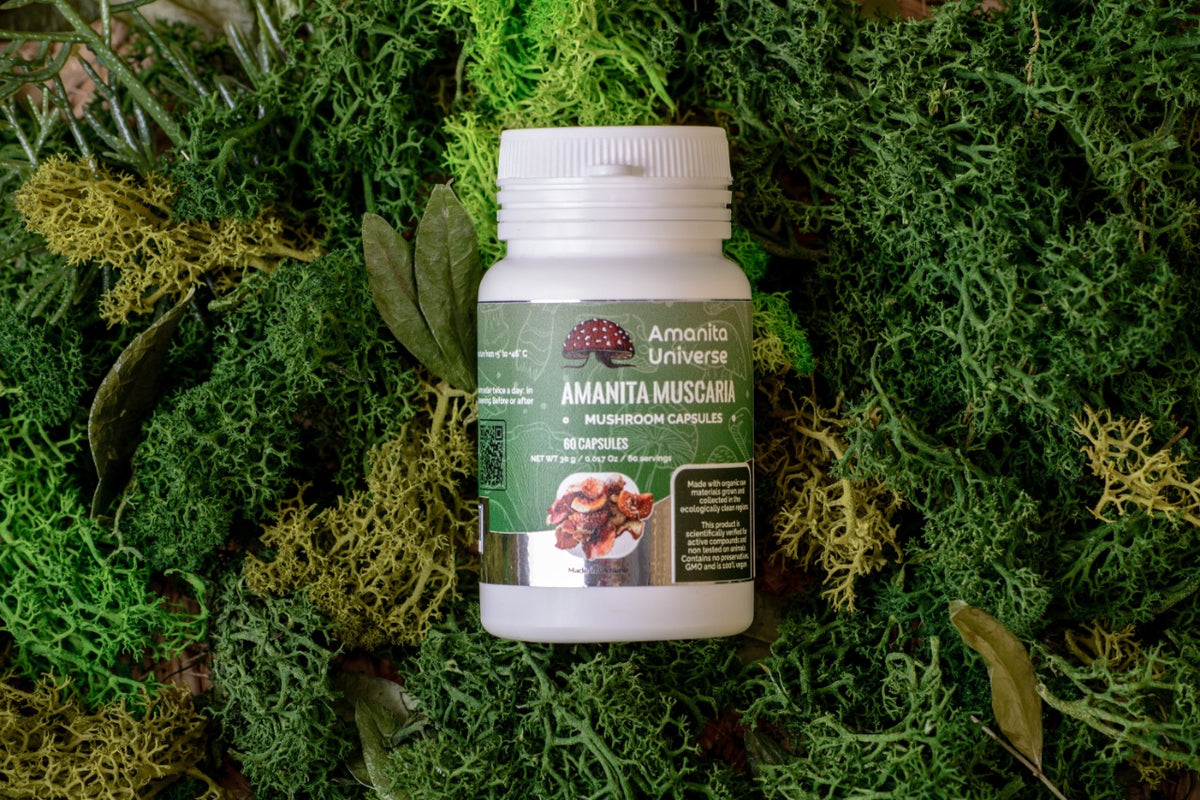
Amanita muscaria in 60 capsules
High-quality Amanita muscaria extract conveniently packaged in 60 capsules for precise and easy use.
Read moreComparison Table: Amanita muscaria vs. Amanita pantherina
| Feature | Amanita muscaria (Fly Agaric) | Amanita pantherina (Panther Cap) |
| Potency | Moderate / Standard baseline | 3x to 5x stronger than A. muscaria |
| Active Alkaloids | Ibotenic Acid and Muscimol | High concentrations of Ibotenic Acid and Muscimol |
| Typical Microdose Range | 0.1g – 0.5g (dried cap) | 0.05g – 0.15g (dried cap) |
| Primary Physical Sensations | Mild physical relaxation, body warmth | Noticeable body load, slight stimulation |
| Cognitive Effects | Calming, anti-anxiety, grounding | Highly focused, alert, mentally sharp |
| Beginner Friendliness | High (easier to calibrate dosage) | Low (requires precise scales and high caution) |
| Risk of Over-intoxication | Lower (predictable curve) | Higher (steep dose-response curve) |
Safety and Best Practices
Working with the genus Amanita requires respect, caution, and rigorous preparation. Raw consumption of either species is strongly discouraged due to high levels of raw ibotenic acid, which can cause severe gastrointestinal distress and neurological discomfort.
-
Always Use Dried Material: Ensure your mushrooms are thoroughly dried and properly cured to facilitate the conversion of ibotenic acid to muscimol.
-
Invest in a Milligram Scale: Because Amanita pantherina requires such minute quantities, a standard kitchen scale is insufficient. A precise milligram scale is mandatory to avoid accidental macro-doses.
-
Start Low and Go Slow: Always begin with the lowest possible threshold dose on a day off to observe how your body reacts before integrating it into your daily schedule.
-
Source Responsibly: Purchase from trusted vendors who provide lab-tested products to ensure accurate species identification and safety.
Conclusion: Which One to Choose for Microdosing?
Quick Comparison Table
| Criterion | Amanita muscaria (Red Fly Agaric) | Amanita pantherina (Panther Cap) |
| Experience Level | Ideal for beginners | Strictly for experienced practitioners |
| Nature of Effect | Gentle, stable, grounding | Intense, deep, vivid |
| Potency | Forgiving of minor dosing errors | Requires jewel-like precision (significantly stronger) |
| Primary Focus | Stress relief, mild relaxation, focus | Powerful mental stimulation, high energy |
Key Tips for a Safe Start:
-
Start with a Minimum Dose: Always test a new batch with the smallest possible amount, regardless of the mushroom species chosen.
-
Listen to Your Body: Keep a tracking journal to monitor changes in your productivity, sleep quality, and overall emotional state.
-
Follow Cyclic Protocols: Take regular breaks from intake (such as structured cycles followed by rest periods) to prevent building up physical tolerance.
-
Quality Above All: Use only thoroughly dried and tested mushrooms processed with proper decarboxylation temperature controls.