

The world of natural entheogens is vast and often misunderstood. For many curious individuals exploring mycological history and traditional practices, two names inevitably surface: Amanita muscaria and psilocybin-containing mushrooms (commonly known as "magic mushrooms"). While both are fungi that have been used by various cultures throughout human history, they are pharmacologically, chemically, and experientially worlds apart.
If you are considering purchasing Amanita muscaria, it is imperative to understand exactly what it is, how it differs from psilocybin, and why conflating the two can lead to dangerous misconceptions.
The Botanical and Chemical Divide
At the most fundamental level, Amanita muscaria (the iconic red-and-white spotted fly agaric) and psilocybin mushrooms belong to entirely different taxonomic families and possess completely different active compounds.
Psilocybin Mushrooms
Psilocybin mushrooms (e.g., Psilocybe cubensis) produce the compounds psilocybin and psilocin. These are tryptamines that act primarily as agonists on the 5-HT2A serotonin receptors in the brain. They are well-documented for their ability to induce classic psychedelic experiences, characterized by visual distortions, ego dissolution, and profound changes in perception and consciousness.
Amanita Muscaria
Amanita muscaria does not contain psilocybin. Its primary active constituents are ibotenic acid and muscimol. Muscimol is a potent GABA-A receptor agonist, meaning it functions in a way more comparable to sedatives or certain anxiolytics than to traditional psychedelics. It acts on the inhibitory neurotransmitter system of the brain, leading to effects that range from deep sedation and vivid, dream-like states to dissociation and, in some cases, severe nausea or delirium.
Comparing the Effects
The subjective experience of these two fungi is drastically different. Psilocybin is generally categorized as a psychedelic, pushing the user toward heightened awareness and external visual stimulation. In contrast, Amanita muscaria is often categorized as a deliriant or a sedative-hypnotic.
Users of Amanita muscaria often describe a feeling of physical weight, "micro-world" hallucinations (where objects seem much smaller or larger), and a deep sense of internal reflection. Unlike the clarity often sought in psilocybin journeys, Amanita experiences can be chaotic, unpredictable, and physically taxing.
Comparison Table
| Feature | Amanita Muscaria | Psilocybin Mushrooms |
| Primary Active Compounds | Muscimol, Ibotenic Acid | Psilocybin, Psilocin |
| Primary Receptor Action | GABA-A (Inhibitory) | 5-HT2A Serotonin (Excitatory/Modulatory) |
| Classification | Sedative-Hypnotic / Deliriant | Classic Psychedelic |
| Common Effects | Sedation, dream-like states, muscle relaxation | Visuals, ego loss, emotional intensity, clarity |
| Risk Profile | Nausea, vomiting, delirium (dose-dependent) | Generally low toxicity, high psychological intensity |
| Onset | Slower (often 1–2 hours) | Faster (30–60 minutes) |
Safety and Preparation: The Critical Distinction
Perhaps the most significant reason to distinguish between these two is the necessity of preparation. Raw Amanita muscaria contains ibotenic acid, a neurotoxin that is largely responsible for the severe gastric distress, tremors, and confusion associated with improper ingestion.
Traditional preparation methods often involve specific heat-based decarboxylation processes designed to convert the toxic ibotenic acid into the more psychoactive and less toxic muscimol. If you are buying Amanita, you must ensure that you are purchasing from a reputable source that understands these chemical processes. Misidentifying the mushroom or using improper preparation techniques can result in severe poisoning.
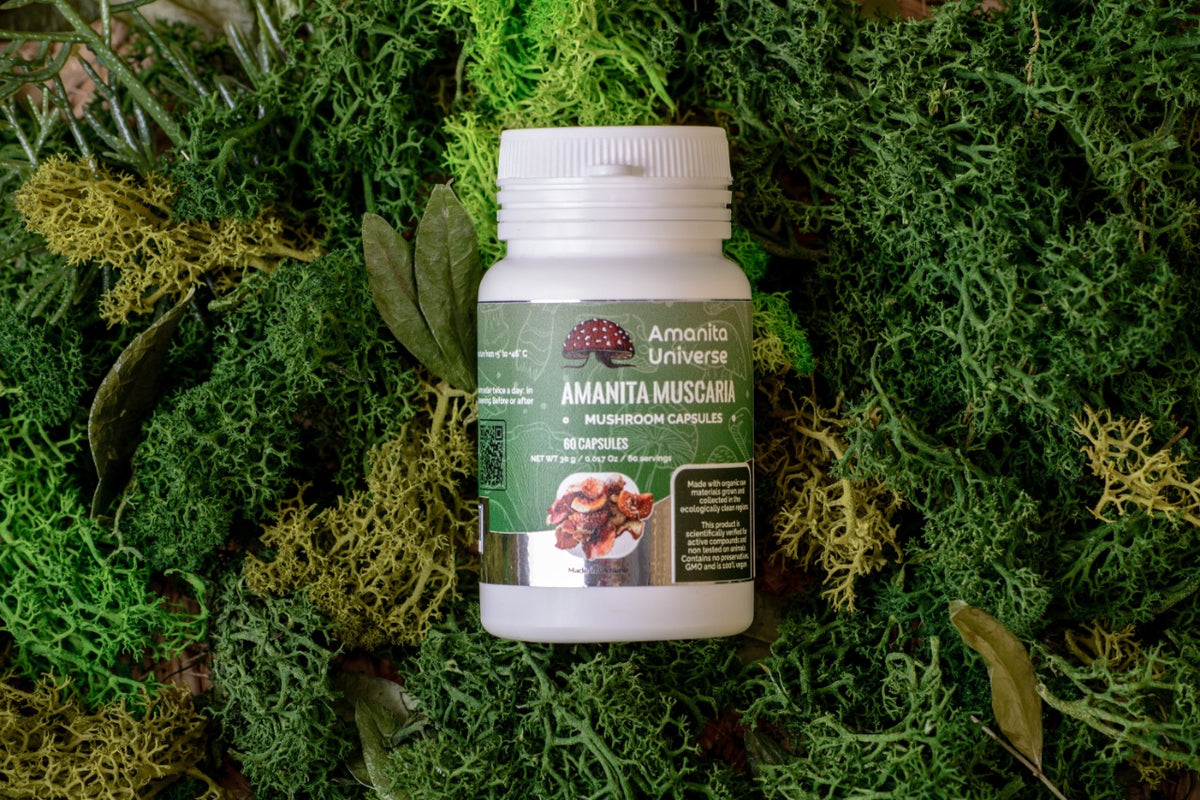
Amanita muscaria in 60 capsules
Convenient and precisely measured herbal supplement format for microdosing and wellness routines. Best suited for daily botanical routines, precise dosage control, and individuals looking for an easy-to-consume natural supplement format.
- Precise pre-measured dosage in each capsule.
- Tasteless and convenient consumption format for daily use.
- Optimal supply of 60 capsules for a consistent course.
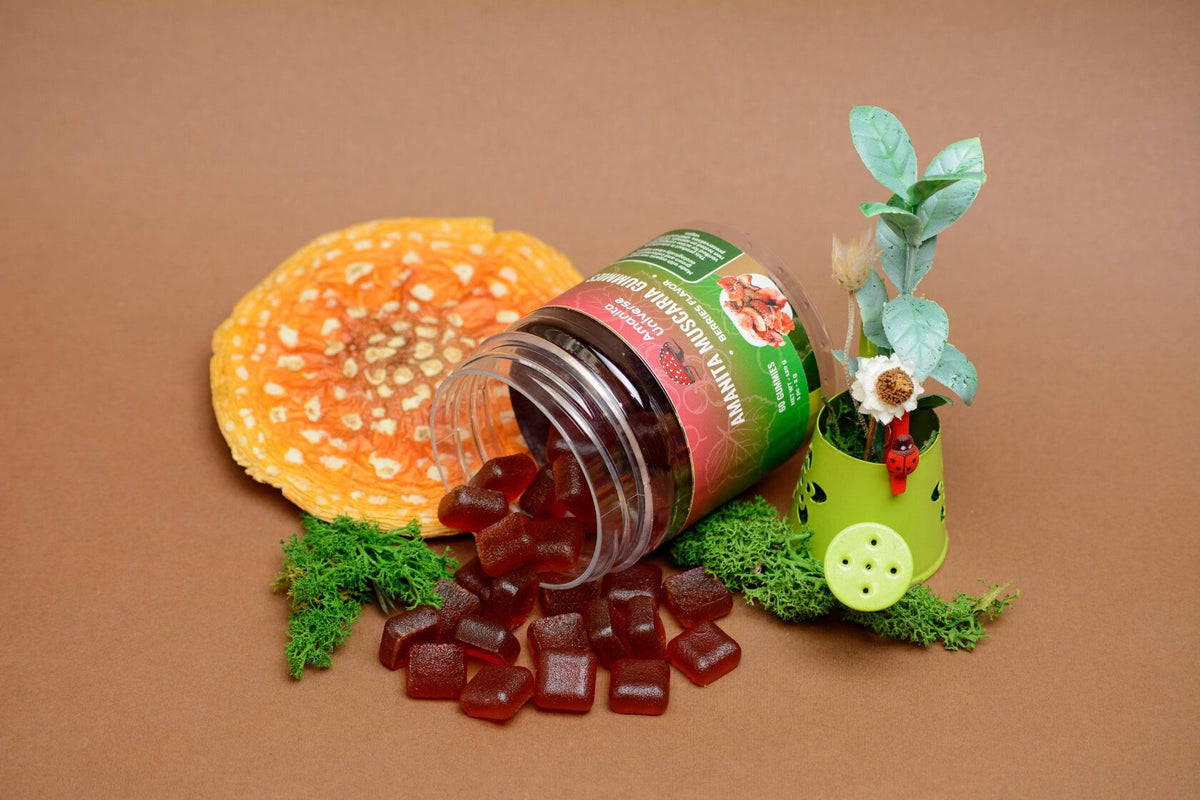
Amanita muscaria Blackcurrant marmalade
Delicious gourmet marmalade infused with premium Amanita muscaria and rich blackcurrant flavor. Best suited for those who prefer alternative edible formats, sweet treats with functional botanical properties, and an enjoyable tasting experience.
- Natural and rich blackcurrant flavor mask.
- Soft, premium texture of traditional gourmet marmalade.
- An alternative, enjoyable way to consume herbal extracts.
Legal and Ethical Considerations
The legal status of these fungi varies wildly by jurisdiction. Psilocybin is strictly regulated or prohibited in the vast majority of countries due to its classification as a Schedule I substance. Amanita muscaria, however, exists in a legal gray area in many regions because it does not contain controlled substances like psilocybin.
However, "legal" does not mean "harmless." The accessibility of Amanita does not excuse a lack of research or caution. Before purchasing, you must check your local laws to ensure compliance, but more importantly, you must prioritize your own education on the substance's unique safety profile.
Final Thoughts: Knowledge is Protection
If your goal is to explore the world of mycology, do not approach Amanita muscaria expecting a psilocybin-like experience. These are fundamentally different tools with different risks and different potentials. Always prioritize sourcing, understand the chemistry behind the fungus, and respect the potency of the natural world. Education is the first step toward responsible engagement with any entheogen
FAQ
1. What is the main difference between Amanita muscaria and psilocybin mushrooms?
Amanita muscaria and psilocybin mushrooms contain different psychoactive compounds and produce different effects. Amanita muscaria primarily contains muscimol and ibotenic acid, while psilocybin mushrooms contain psilocybin, which is converted into psilocin in the body. Their effects, risks, duration, and legal status can also differ.
2. Is Amanita muscaria safer than psilocybin mushrooms?
Neither should automatically be considered safe. Amanita muscaria can cause nausea, confusion, dizziness, altered consciousness, and other unpredictable effects, while psilocybin can also produce intense psychological and physical reactions. Individual responses and product potency can vary considerably.
3. Why do Amanita muscaria and psilocybin feel different?
The difference is largely explained by their active compounds and how they interact with the brain. Muscimol primarily affects GABA-related signaling, whereas psilocin acts mainly on serotonin receptors. As a result, the subjective experiences associated with the two substances can be quite different.
4. What should I check before buying Amanita muscaria products?
Consumers should pay attention to the product's ingredients, stated contents, manufacturer information, testing or quality documentation, and applicable local regulations. Products marketed as Amanita muscaria may vary substantially in formulation and potency, so product claims should be evaluated carefully.
5. Can Amanita muscaria and psilocybin mushrooms be used for the same purposes?
They should not be treated as interchangeable substances. Amanita muscaria and psilocybin mushrooms have different active compounds, effects, risks, and legal considerations. Claims that one can simply replace the other should therefore be approached cautiously